Publications

On May 14, the Fourth Panel of the Superior Court of Justice (STJ) reaffirmed its understanding that the presence of the same parties is not necessary to give rise to lis pendens in collective actions in which a party with extraordinary standing appears due to procedural substitution.

The 3rd Panel of the Superior Court of Justice (STJ) affirmed, in a non-unanimous decision, that judicial reorganization plans approved by the majority of the creditors of a company undergoing judicial restructuring may suppress secured or unsecured guarantees, even without the express consent of the creditor who holds the guarantee.

The text of The Hague Convention on the Service Abroad of Judicial and Extrajudicial Documents in Civil or Commercial Matters (Hague Service Convention) was promulgated on March 21 through Decree no. 9,734/2019. Signed in The Hague on November 15, 1965, the Hague Service Convention was originally signed by six states and is now in force in 73 countries. With the enactment of Decree no. 9,734/2019, the Convention will come into effect in Brazil on June 1, 2019.

The natural gas market is gaining more and more relevance in Brazil as a way to diversify the country's energy sources. To foster the development of the sector, changes in legislation and regulations have been discussed, especially since 2016, when the Ministry of Mines and Energy launched the Gas to Grow (Gás para Crescer) initiative, with the participation of the entire natural gas market and some government bodies.

Normative Instruction No. 1,888/2019 (IN 1,888), which establishes and disciplines the provision of information related to cryptoasset transactions, shows the concern of the Brazilian Federal Revenue Service (RFB) with providing transparency in transactions with virtual currencies. Although it represents an increase in compliance costs for companies operating in this market, the measure may give more credibility to the industry and help attract new players.
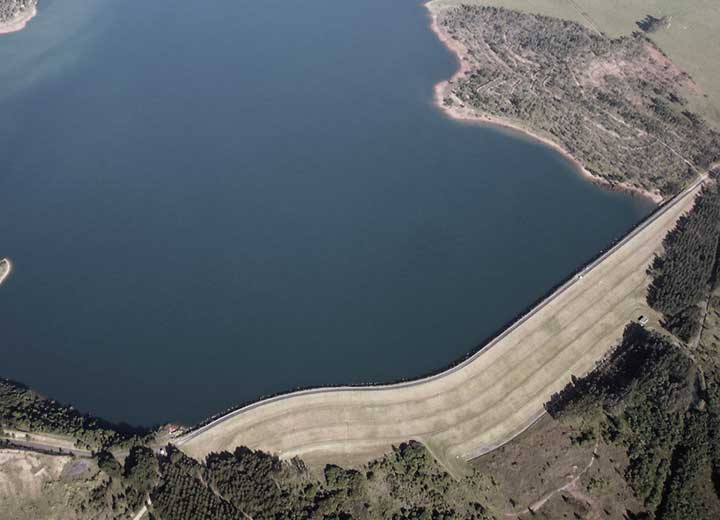
The beginning of 2019 was marked by important normative changes in safety of dams, mainly mining dams, in order to tighten federal and state regulations.
Page 180 of 238