Labor and employment

The work-from-anywhere model has allowed a major change in Brazil, as the number of foreign companies, without local subsidiaries/entities in Brazil, engaging Brazilians citizens to work remotely from Brazil has substantially increased over the last three years. But what are the labor and employment risks/issues foreign companies should consider?

Companies must reevaluate practices and policies to adapt them to the new obligations and study opportunities to create benefits.

Law 14,442/22 regulates teleworking and changes the rules on meal allowances

Decision makes it unconstitutional to pay double for late payment of vacations
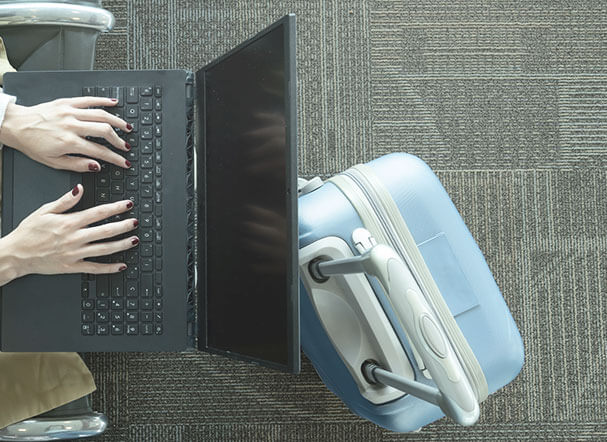
Given the possibility of providing services anywhere in the world, where will the teleworker's labor action be judged?

Case law develops for a more careful analysis of the system's objectives before endorsing stability to officers.

Companies should beware when contractually structuring the hiring bonus so as not to characterize it as a retention bonus.
The Federal Senate approved, on August 3rd, Executive Order 1,108/22, which substantially changed the rules regarding meal allowances and remote work, provided for in the Consolidated Labor Laws (CLT). The approved text awaits presidential signature, at which point the executive order will be converted into law. The expectation is that the President fully sanctions the text approved by the Brazilian National Congress.

TST decision privileges discussion on the topic and can bring legal security to the market
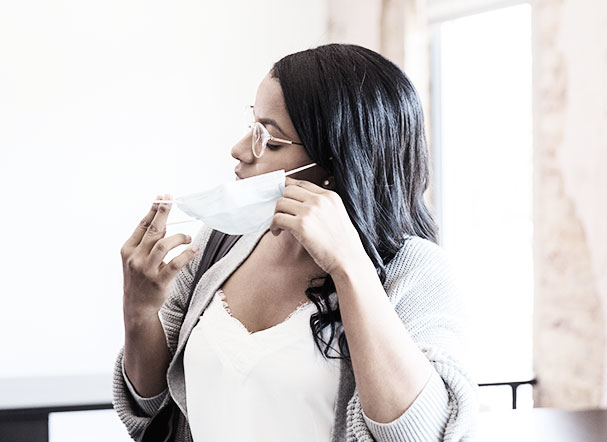
Decree published by the municipality of Rio de Janeiro does not overlap with interministerial ordinance MTP/MS 14/22, which provides the use of face masks against covid-19 by employees in the work environment.

Interministerial Ordinance MTP/MS 17, published on April 1, 2022, amends Annex I of Joint Ordinance 20/2020, again updating the measures to be observed to prevent, control, and mitigate the risks of covid-19 transmission in work environments.

With the change in the federal rule, companies can no longer require masks for employees on their premises where state or municipal regulations exempt the use of face coverings.
Page 8 of 22