Environmental
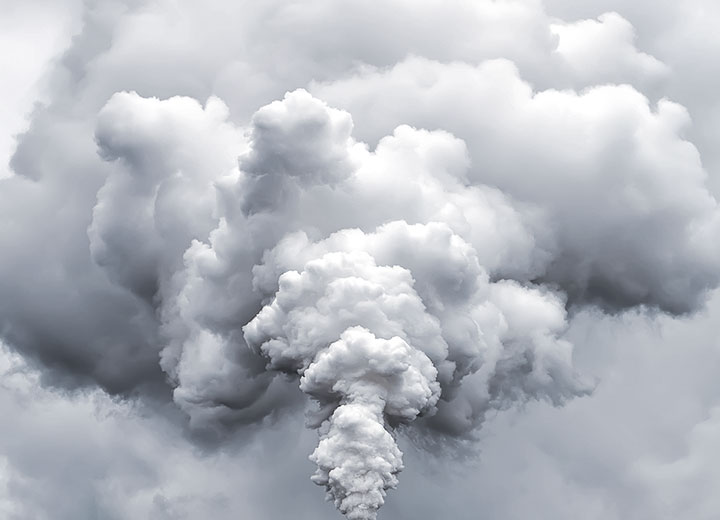
If viewed as a country, the international civil aviation sector would have the world's 20th GDP but would be among the top ten polluters, with over 2% of global greenhouse gas emissions. It is a significant and rapidly growing environmental impact, with consequences not only for accelerating climate change, but also for the image of the sector in the public eye.
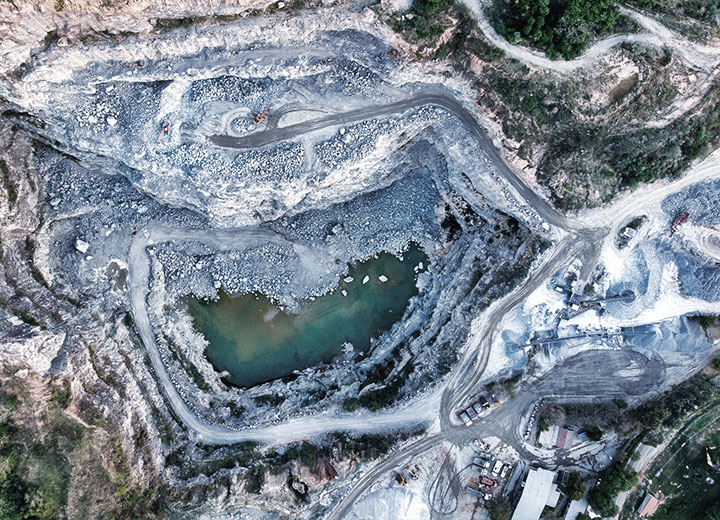
The breaking of a dam in Mariana in 2015 was not the first incident of its kind in Brazil, but it was a milestone for the mining industry for having caused extensive environmental and social damage in the states of Minas Gerais and Espírito Santo. As occurred after other large-scale events that were under wide media coverage in Brazil, the public understanding regarding the need for regulatory improvements, coupled with the opportunity for political action under the public’s attention, triggered legislative processes and amendments in dam regulations and disaster prevention in general. Thus, an intense process of changes in rules and regulations began after the incident.

Recent environmental accidents in Brazil have generated intense legislative debates, including with respect to changes to the law that establishes the elements of environmental crimes. On June 25 of this year, the Chamber of Deputies approved Bill No. 2,787/19 (PL 2,787/19),[1] which, among other provisions, establishes the elements of the crime of ecocide. The main justification for approving the text was that criminal law on disasters of this type supposedly still proves to be fragile.

Federal Decree No. 9,760, published in April of this year, amends certain provisions of Federal Decree No. 6,514/08, which deals with environmental infractions and sanctions and establishes the federal administrative procedure to investigate them.
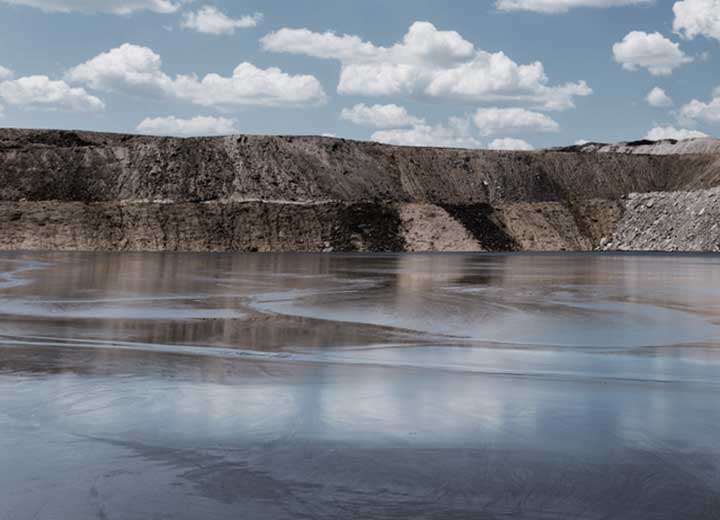
In response to the rupture of the Brumadinho dam (MG) on January 25th of this year, changes under study and already approved in the legislation aim to tighten the regulations of dams in Brazil. On June 25th, for example, the Chamber of Deputies approved three bills providing for specific regulations on environmental disasters caused by dams.
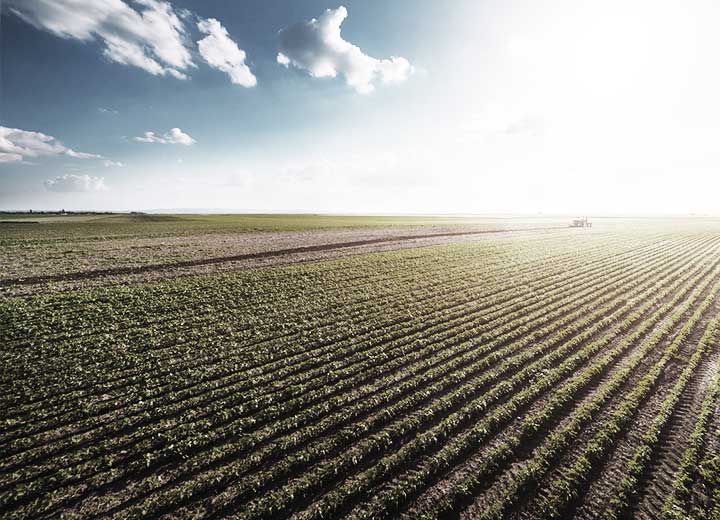
Executive Order ("MP", in its abbreviation in Portuguese) No. 884, published last Friday, June 14, amended the Forest Code (Law No. 12,651/2012), so as to determine that registration in the Rural Environmental Registry (CAR) "shall be mandatory for all rural properties and holdings." The amendment redrafted the third paragraph of article 29, which sets forth the end date for registration in the CAR.
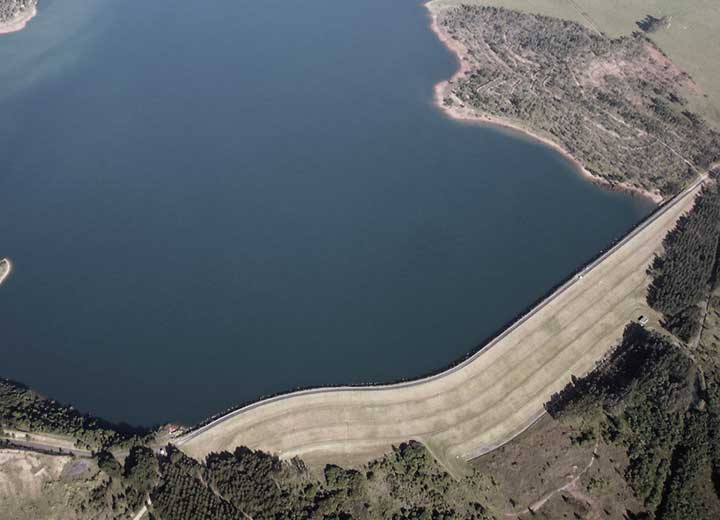
The beginning of 2019 was marked by important normative changes in safety of dams, mainly mining dams, in order to tighten federal and state regulations.
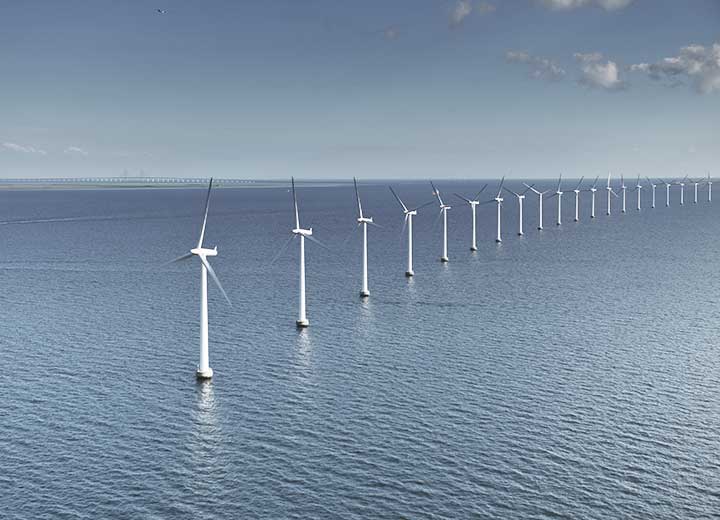
If the high costs resulting from the construction and maintenance of offshore wind farms were not enough, the sector also faces legal uncertainty due to the lack of regulations for environmental licensing.

Ordinance No. 01/2017 of the Genetic Heritage Management Council (CGEN) and Federal Law No. 13,123/15 (the new legal framework for biodiversity, which repealed Presidential Decree No. 2,186-16/2001) established the date of November 6, 2018, as the final deadline for regularization or adaptation in the National System of Management of Genetic Heritage and Associated Traditional Knowledge (SisGen).
The Brazilian Institute for the Environment and Renewable Natural Resources (Ibama) published on August 14, 2018, Normative Instruction (IN) No. 18/2018, in order to allow more covered parties to join the fines conversion program. The new standard changes the transition rules set out in IN 06/2018 and, in practice, extends to 60 days the period originally established for covered parties to submit their requests to convert fines. With the change, adherence to the program may be requested until October 15, 2018.

Polychlorinated biphenyls, known as PCBs, are synthetic substances formed by a mixture of 209 chlorinated compounds. The Stockholm Convention, of which Brazil is a signatory, has classified PCBs as one of the twelve types of persistent organic pollutants (POPs), which are extremely polluting substances, which pose serious risks to the environment and human health and which should be phased out, according to the convention.
Page 6 of 7