Environmental

Following the progress of legislation and technology, updating the manual is essential to standardize the management procedure of contaminated areas not only in the state of São Paulo, but throughout Brazil.

The objective is to close pending lawsuits over violations resulting from fires in sugarcane growing areas in the state of São Paulo.

Decree No. 65,486/21 raises environmental clearance to the level of a mandatory condition in the environmental licensing of enterprises, works, or activities of significant impact in the state.

State Law No. 23,795/21 requires developers and entrepreneurs to create an Economic and Social Recovery Plan (PRDES), which will include all actions to remedy the socioeconomic, cultural, or environmental damage caused by dams.

Entendimento do tribunal sobre constitucionalidade da medida condiz com argumentos adotados na análise de casos recentes de conflito de competência legislativa em matéria ambiental.

The appreciation of responsible businesses leads to the adoption of sound environmental, social, and corporate governance practices, particularly after the coronavirus crisis.

Provisions added to the PNSB aim to ensure greater participation and information for the general population and greater transparency for developers.

The program supports the Payment for Environmental Services (PSA) initiative, which aims to encourage the improvement and preservation of native vegetation in Brazilian territory.
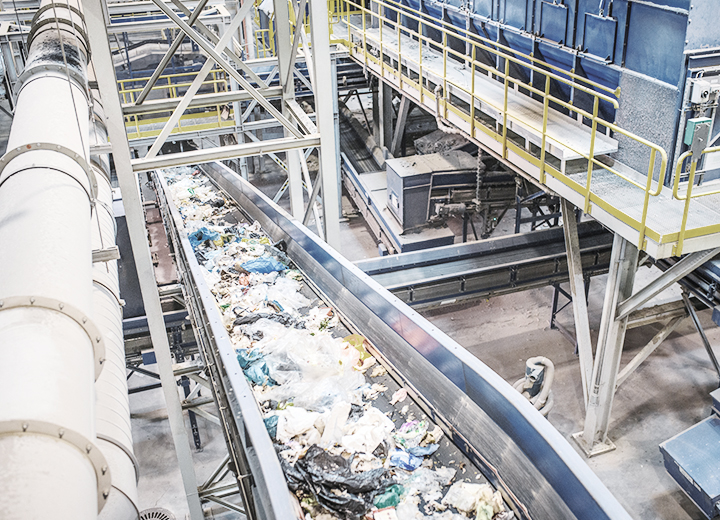
With Resolution No. 47/2020, a new range of waste can be sold as raw material for Refuse Derived Fuel (RDF) and generate revenue. The rule {standard, norm} also allows for environmental benefits, with the use of waste within production chains, avoiding its destination to landfills.

Brazil is expected to access genetic heritage from other countries, in addition to sharing the benefits of technological developments involving Brazilian biodiversity, which will bring about scientific advances for Brazil and foster economic growth.
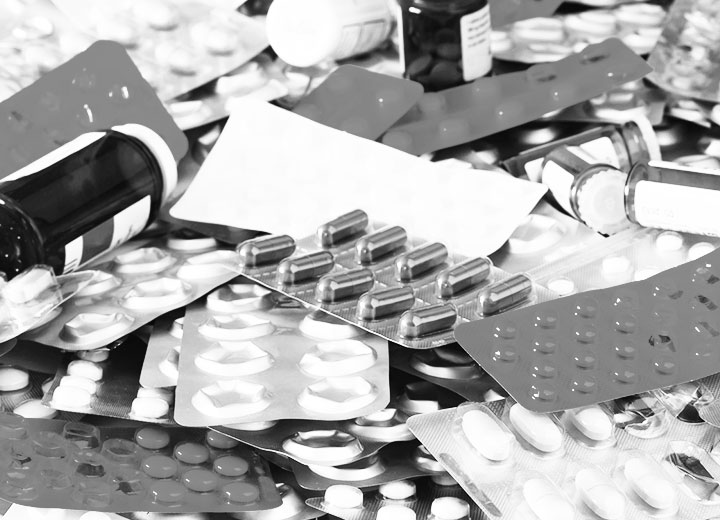
Decree institutes a system for reverse logistics of expired medicines for home use. In the first two years, pharmacies will have to supply collection points only in cities with more than 500 thousand inhabitants.

With two joint normative ruling, MMA, Ibama, and ICMBio regulate the conversion of simple environmental fines into services of preservation, improvements, and recovery of environmental quality, facilitating the resolution of administrative proceedings
Page 4 of 7